


Australia's aviation safety framework is generally well-equipped to manage operational incidents, but increasing airport complexity, workforce coordination and the introduction of AI and automation present new challenges for the industry, according to an aviation expert.
The ATSB (Australian Transport Safety Bureau) is currently investigating a spate of incidents and near-misses at Sydney Airport in July and August that have reinforced the importance of continued investment and monitoring of safety management, protocols and communication across the aviation ecosystem.
In one incident, the pilot of a Jetstar-operated flight bound for the Gold Coast had to apply the plane's emergency brakes to avoid colliding with another aircraft being towed across its path. No one was seriously hurt, but a Jetstar crew member was treated at the scene by paramedics for injuries to her wrist.
An air traffic controller, as well as the driver of the tug towing the other plane, an empty Boeing 777, were temporarily stood down for mandatory drug and alcohol testing.
Preliminary ATSB reporting has identified potential issues involving human resources management, air traffic management and safety reporting.
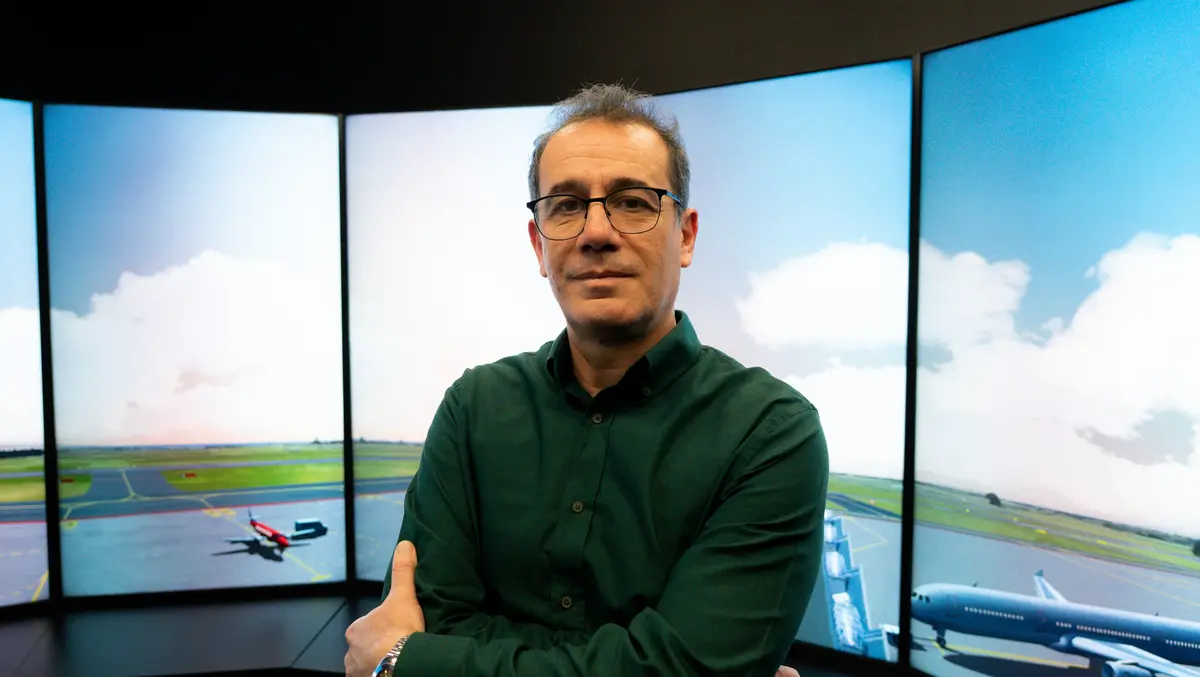
Despite the incidents at Kingsford Smith, Australia's aviation sector maintains a strong safety culture, supported by regulatory authorities, airlines, airport operators and extensive training requirements, said senior lecturer in aviation at UNSW Canberra, Ugur Turhan.
He cautioned against drawing conclusions about the contributing factors before ATSB investigations are completed.
"We have really strong safety management systems (in Australian aviation) that help avoid serious accidents," he said.
Aviation authorities, including the ATSB and Airservices Australia and the Civil Aviation Safety Authority (CASA), play important roles in maintaining safety standards.
Nevertheless, Turhan said aviation remains a complex operating environment in which human responses, weather conditions, reduced visibility and technological failures can combine to create unexpected situations.
Airport complexity creates operational challenges
Turhan identified airport complexity, traffic density and the distribution of aircraft movements throughout the day as important considerations when examining safety.
Sydney Airport, in particular, presents a challenging operating environment because of its layout, high traffic volumes and well-documented curfew.
Kingsford Smith's operations are limited to between 6am and 11pm, placing additional pressure on airlines and airport operators to manage aircraft movements within a restricted timeframe.
Traffic volume is generally unevenly distributed throughout a typical day, Turhan noted, with particularly busy periods in the morning and afternoon.
The combination of domestic and international services, multiple terminal buildings and changing runway requirements add further complexity.
For instance, aircraft may need to use different runways depending on wind direction and velocity, with pilots generally required to take off and land into the wind wherever possible.
This creates additional coordination requirements for air traffic controllers, pilots and airport operators, particularly when aircraft movements intersect at taxiways and runway crossings.
"Each section creates potential hazards for operators and operations," Turhan said.
He added that the airport's complexity made effective coordination between different operational teams particularly important.
Air traffic controllers work across several positions, including runway control, ground control and clearance delivery, each with different responsibilities and information requirements.
Meanwhile, pilots, ground handling personnel and airport vehicle operators have to coordinate their movements through different radio frequencies, technologies and operating procedures.
The aviation industry's approach to safety needs to account for all these participants, instead of only concentrating on pilots and air traffic controllers, Turhan explained.
While pilots and air traffic controllers undergo extensive recruitment, training and competency assessments, stringent standards should apply to all staff within an airport environment.
Incident reporting remains essential
Thorough reporting is another critical component of Australia's aviation safety framework.
Identifying and reporting incidents allows authorities and operators to examine exactly what occurred, understand contributing factors and introduce measures to prevent similar situations from occurring.
Turhan said the identification of potential problems should be viewed as an opportunity for the industry to improve its safety systems, rather than an indication that those systems were failing.
"Reporting is key in aviation incidents," he said. "We can't have incidents without data or reporting.
"When you have reporting, you can identify the problem, then you can analyse it, you can fix it, or you can manage that risk in safety management systems."
Technology also plays an important role in helping aviation professionals maintain situational awareness.
Existing systems combine information about runway occupancy, weather conditions and aircraft signals to provide controllers and pilots with a more comprehensive picture of airport operations.
Additional alerts can help identify situations where aircraft are approaching one another or where operational conditions may present a potential hazard.
AI transition won't happen quickly
Turhan said the introduction of AI into aviation operations will require extensive validation before being entrusted with safety-critical responsibilities.
Automation has been a subject of research throughout his career, including work on European projects, but he stressed that technological readiness alone was insufficient.
Human readiness is equally important, with operators needing to understand and trust the technology before it could be introduced into real-world environments.
New AI applications should first undergo validation through simulations before progressing to human-in-the-loop testing, including flight simulators and air traffic control simulators.
Only after these stages should technologies be considered for pilot studies in environments with relatively low traffic volumes.
Turhan pointed to research taking place in Singapore as an example of how AI was being explored in aviation, although he said current applications were largely focused on providing decision support rather than assuming control of aircraft movements.
"Human decision-making is still best," he said.
He argued that the selection of suitably qualified personnel, comprehensive training and ongoing operational support remain essential to maintaining aviation safety.
It is still too early for AI to replace air traffic controllers, particularly given the industry's stringent safety and security requirements.
However, he expects automation to become increasingly important as airspace becomes more crowded.
The emergence of drones and advanced air mobility could introduce significantly more aircraft movements at lower altitudes, creating challenges for conventional air traffic management systems.
Turhan said the volume and complexity of future air traffic could eventually exceed what human controllers could manage independently.
"We will need some autonomy in the future," he said.
Nevertheless, the technology will need to demonstrate its reliability before being introduced into conventional commercial aviation operations.
Industry collaboration to shape future of aviation safety
The aviation industry's interconnectedness means safety improvements need to extend beyond individual airports and organisations.
Air traffic management operates as a global network, meaning delays or disruptions at one airport can have consequences for other airports and international flight schedules.
A delay at John F. Kennedy, Heathrow or Singapore Changi could affect connected services elsewhere, creating broader operational challenges for airlines and airport operators.
Therefore aviation authorities, airlines and airport operators need to work together to improve safety standards and prepare for future challenges.
Turhan said continued collaboration would be particularly important as the industry introduced new technologies and managed increasingly complex operating environments.
While Australia has developed strong safety systems, maintaining those standards will depend on continued investment in people, technology, training and effective reporting.